On 7 March 2026, I spent the day in Cologne — drawn there primarily by the Amazônia exhibition at the Rautenstrauch-Joest Museum. It features Sebastião Salgado’s photographs of the Amazon rainforest and its indigenous peoples.

The Rautenstrauch-Joest Museum is a museum of world cultures, and the Salgado exhibition fitted well into its permanent collection. The Amazônia show draws on years of Salgado’s fieldwork among indigenous Amazonian communities.
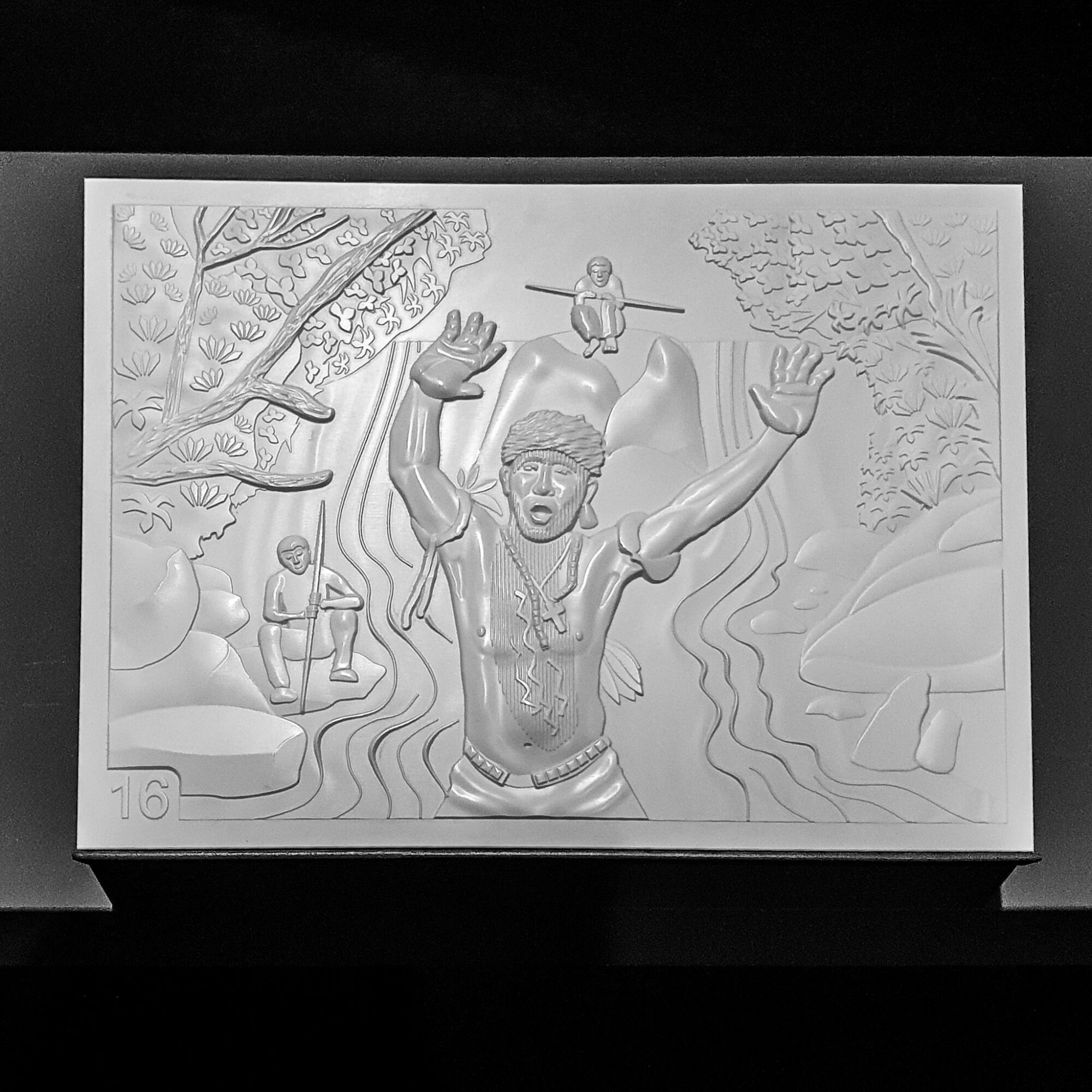
Among the exhibits was a series of relief panels — part of Amazônia Touch, a project created by Salgado and his wife Lélia Wanick Salgado, making the photographs accessible to blind and visually impaired visitors through three-dimensional tactile transcriptions embossed on paper.
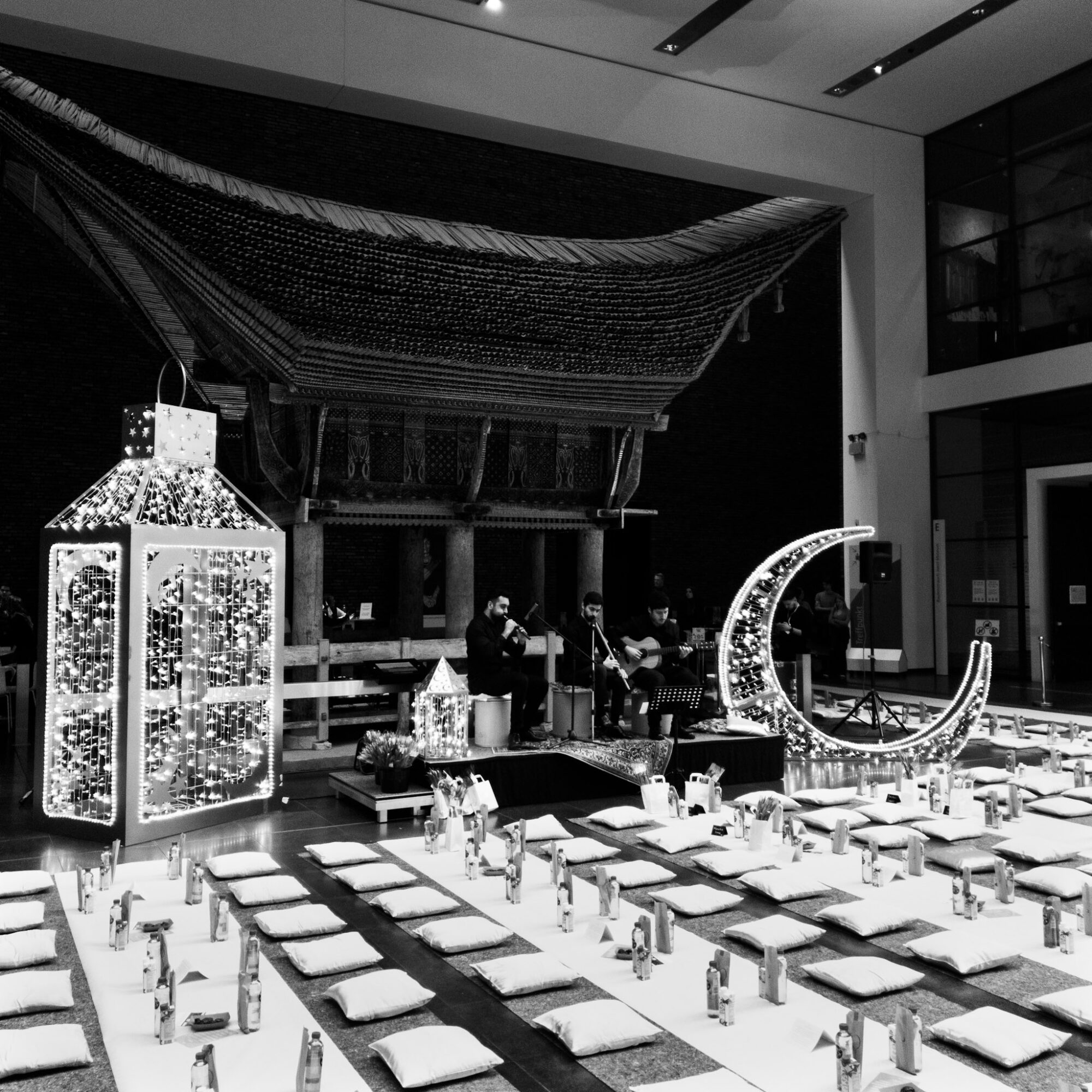
That evening, the museum was also hosting a Ramadan iftar gathering in its main hall.
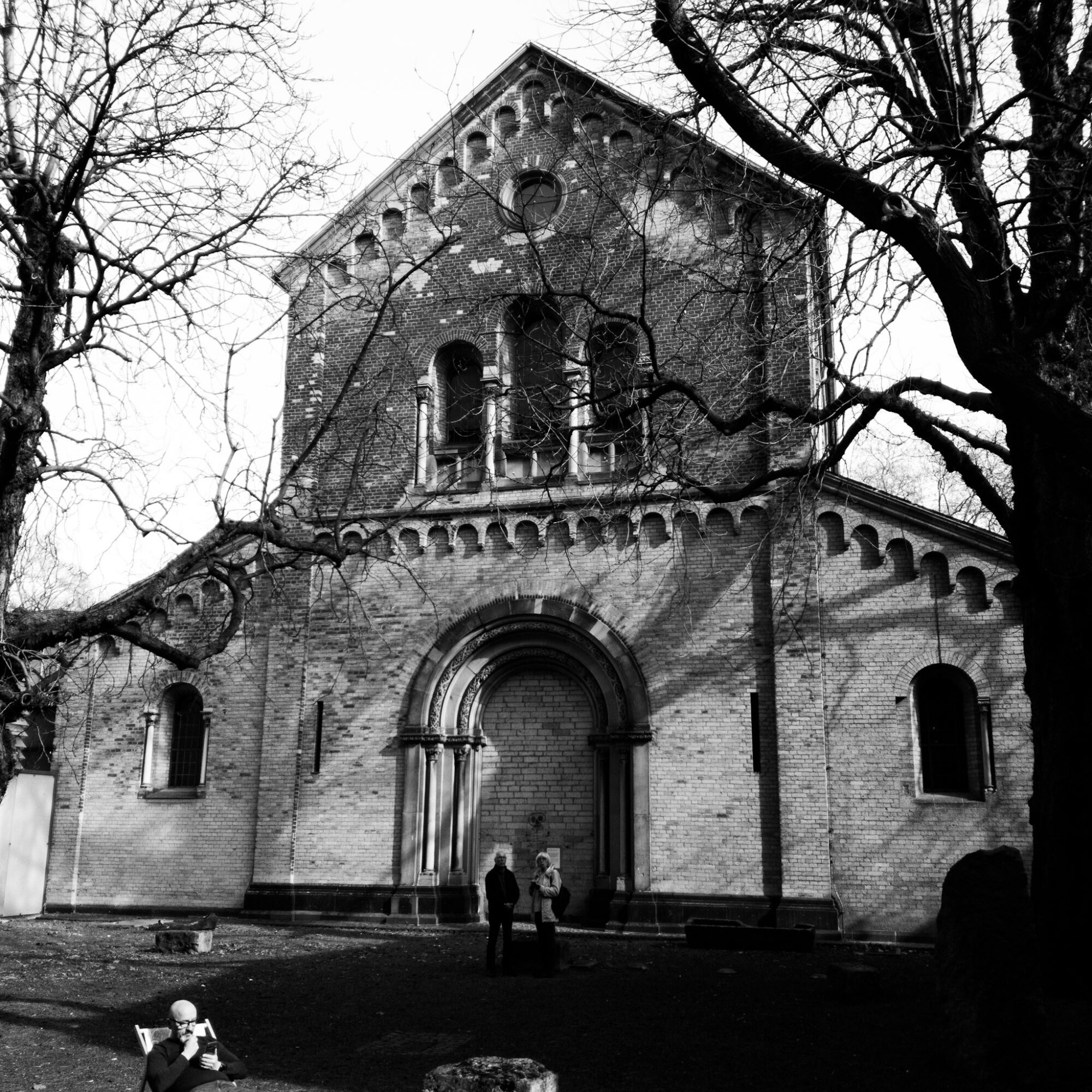
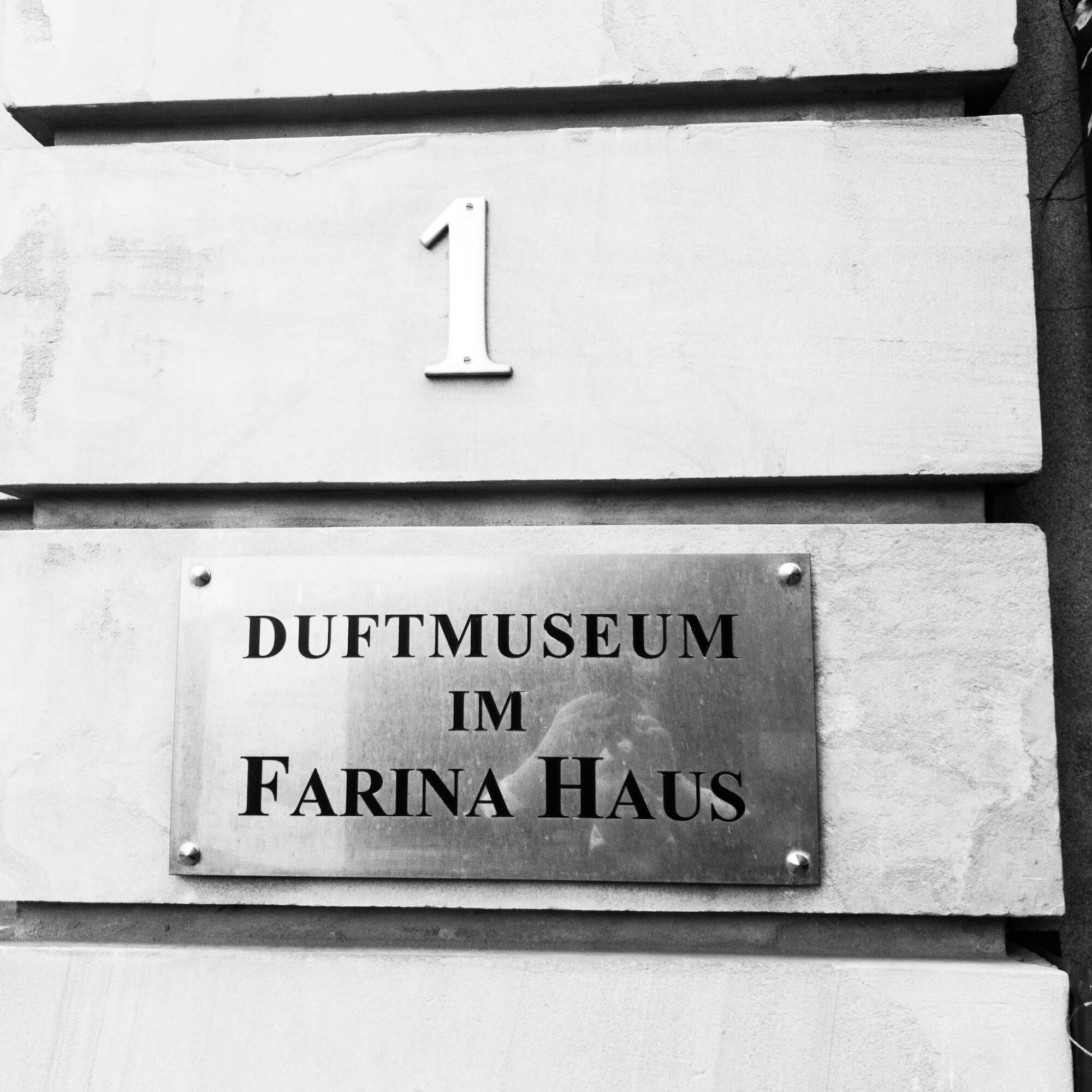
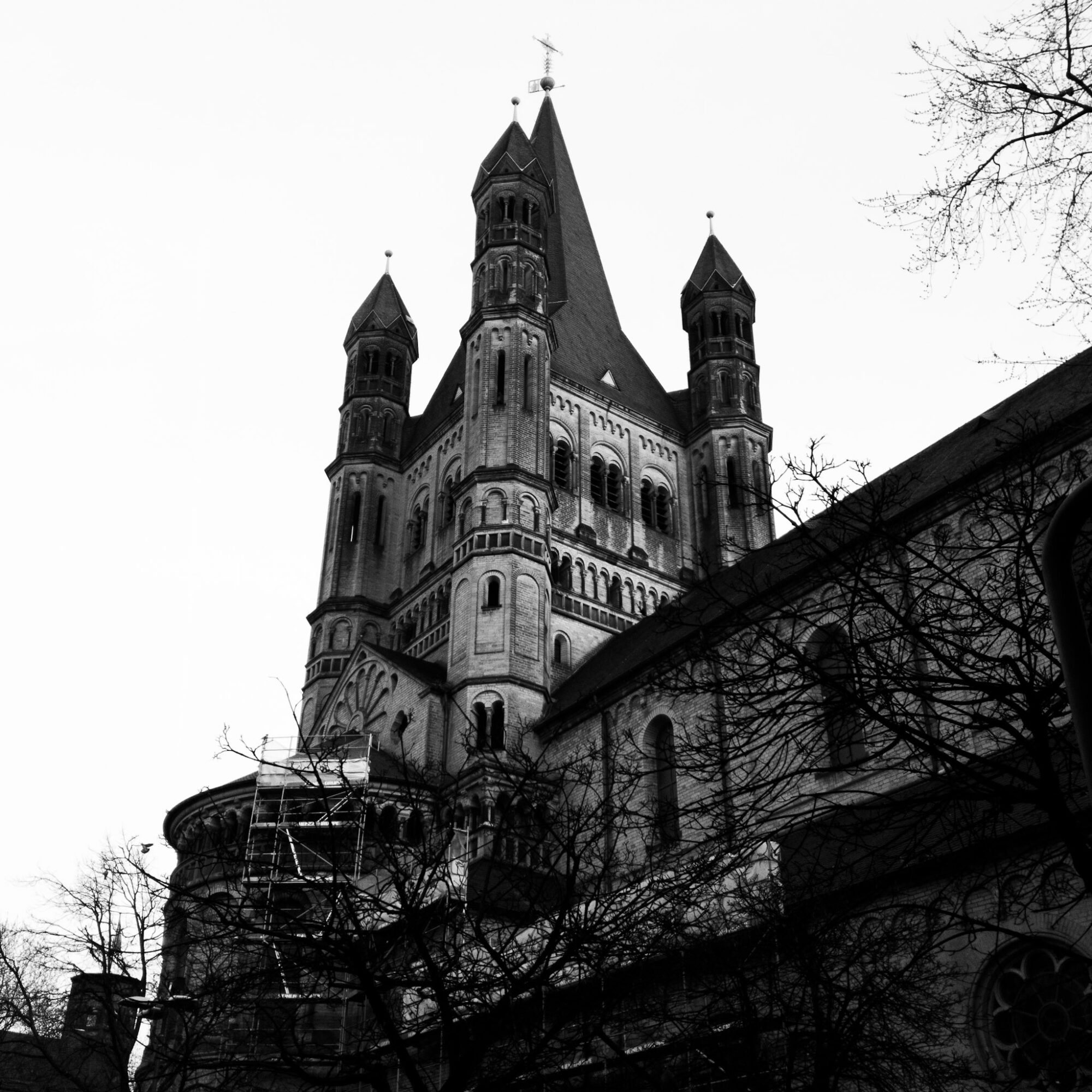
After visiting the museum, we made our way through the Old Town. First came St Cäcilien, one of the twelve Romanesque churches that Cologne is famous for. Today it is home to the Schnütgen Museum of Medieval Art.
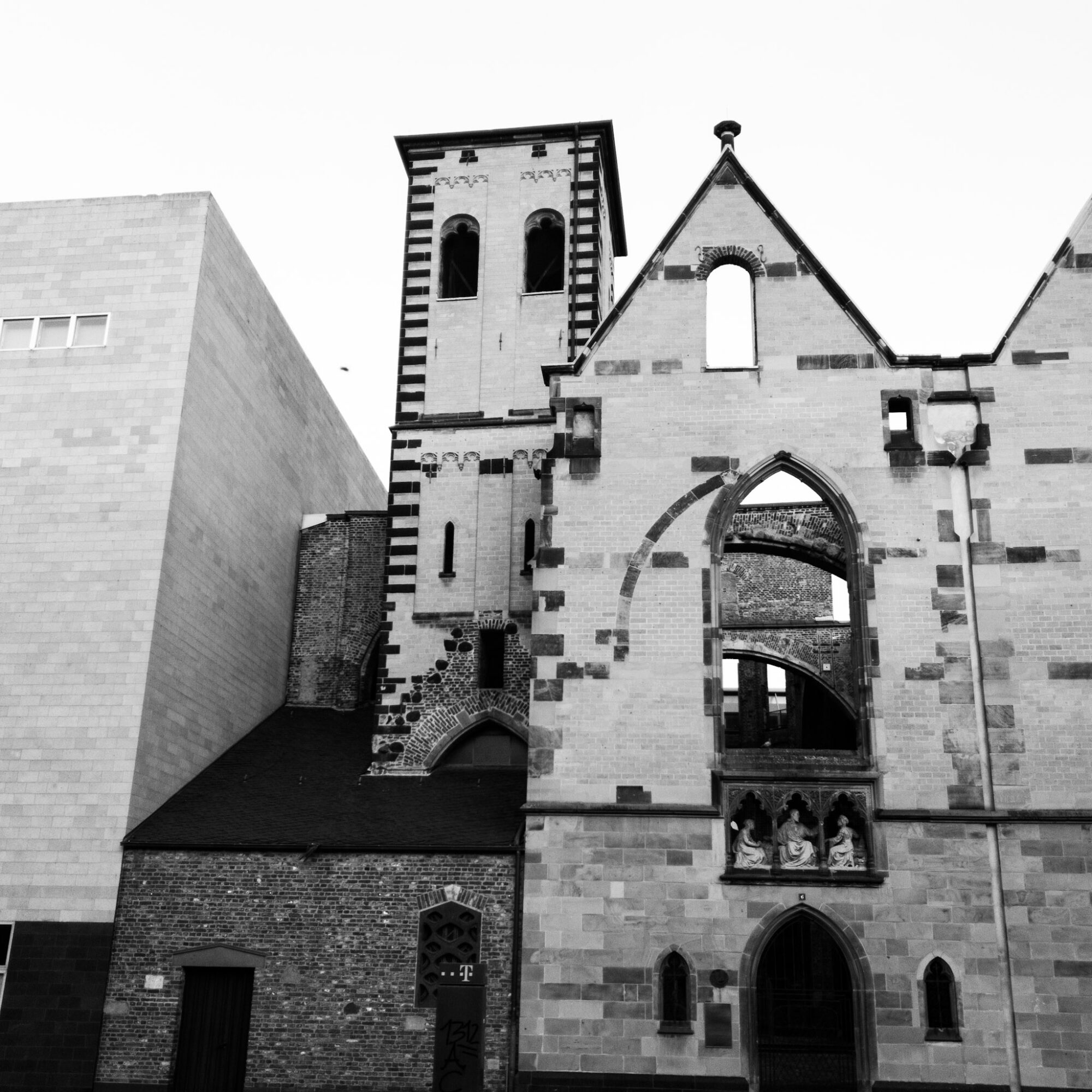
From there, we passed the ruins of Alt St Alban, which have been left unrestored since the war as a deliberate memorial. Nearby, a plaque on the façade marks the Farina House, where Johann Maria Farina invented Eau de Cologne in 1709. We ended the day at Gross St Martin, another Romanesque church. Its crossing tower is one of the most recognisable silhouettes in the city.
Leave a Reply