On a bright, sunny Sunday in August 2026, I visited Haithabu, as it’s known in German, or Hedeby, as it’s more commonly called in English. It was one of the most important Viking Age trading towns in Northern Europe. Founded in the early 9th century at the innermost point of the Schlei fjord, near present-day Schleswig, Haithabu owed its importance to its position: goods could be carried the short distance overland to the River Treene and from there down to the North Sea, linking Baltic and North Sea trade without the long and dangerous voyage around Jutland.
At its height, the settlement was protected by a great semicircular rampart and is thought to have had several thousand inhabitants, drawing merchants and craftsmen from across Scandinavia, the Frankish Empire and beyond. Haithabu was destroyed in the 11th century and gradually abandoned, but its earthworks survived well enough to be excavated in detail, and the site was named a UNESCO World Heritage Site, together with the nearby Danevirke fortifications, in 2018.

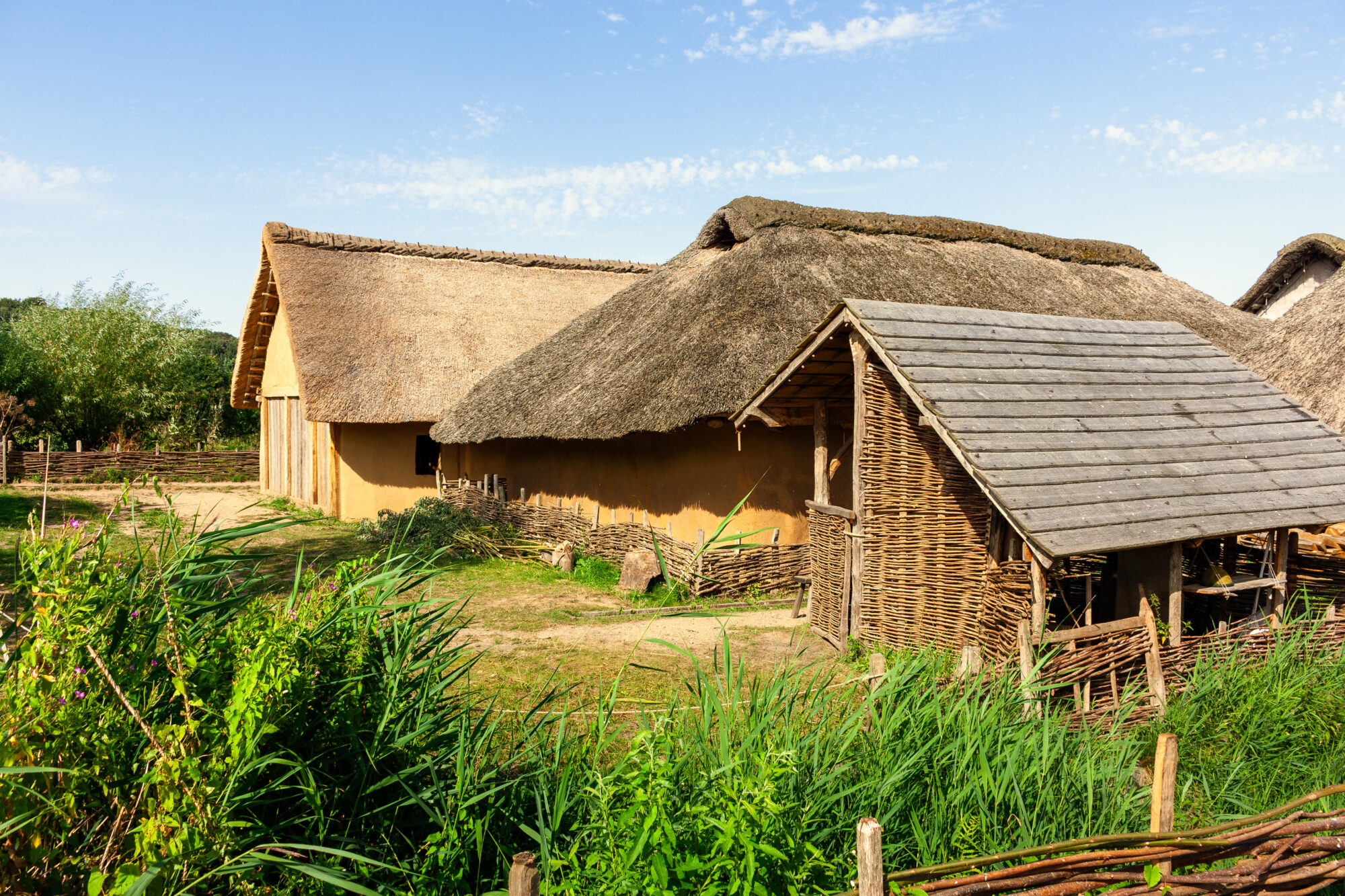
What stands there today is a reconstructed Viking village, built on the original settlement site using the same materials and techniques as a thousand years ago, and run very much as a living open-air museum.
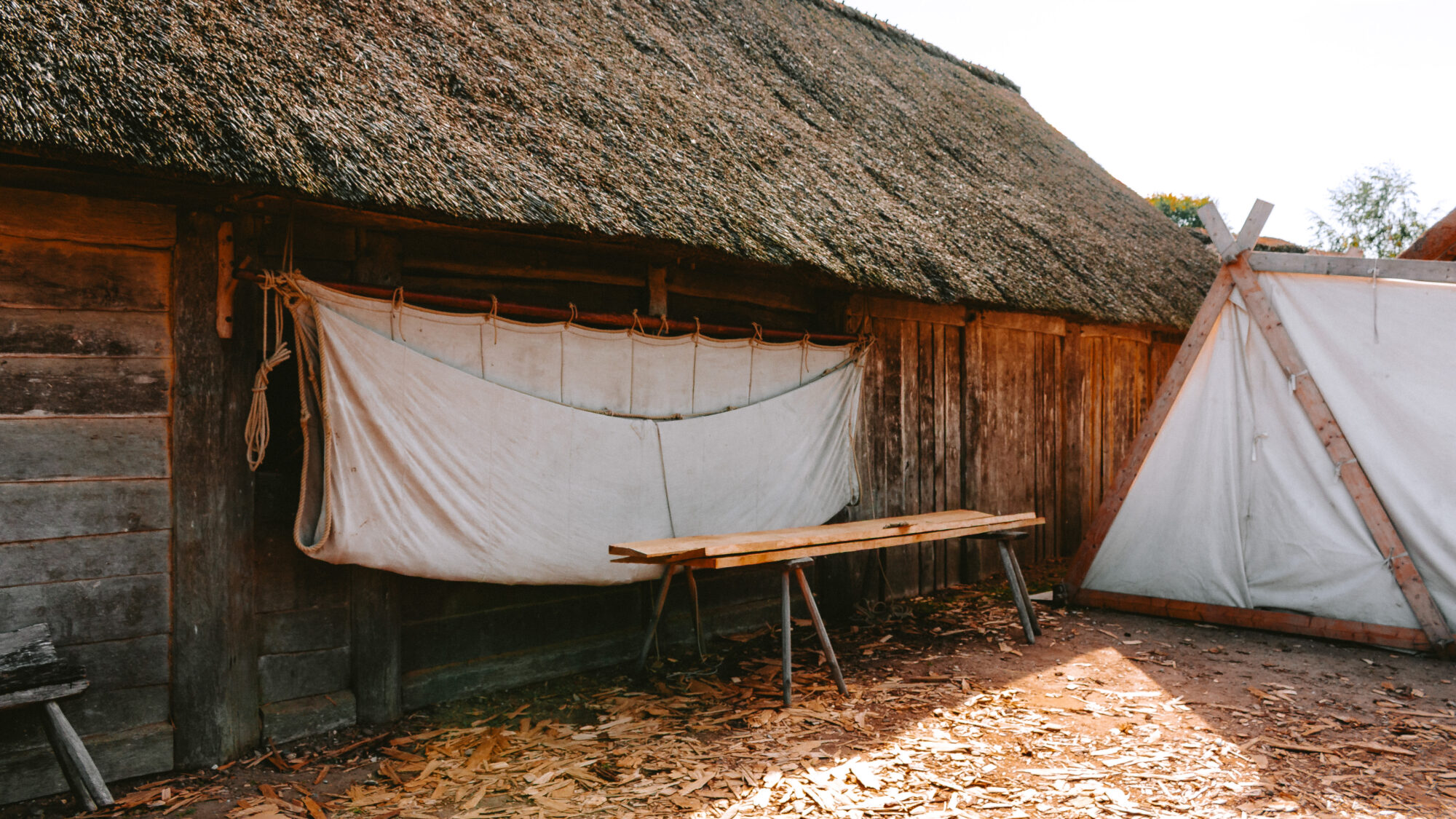
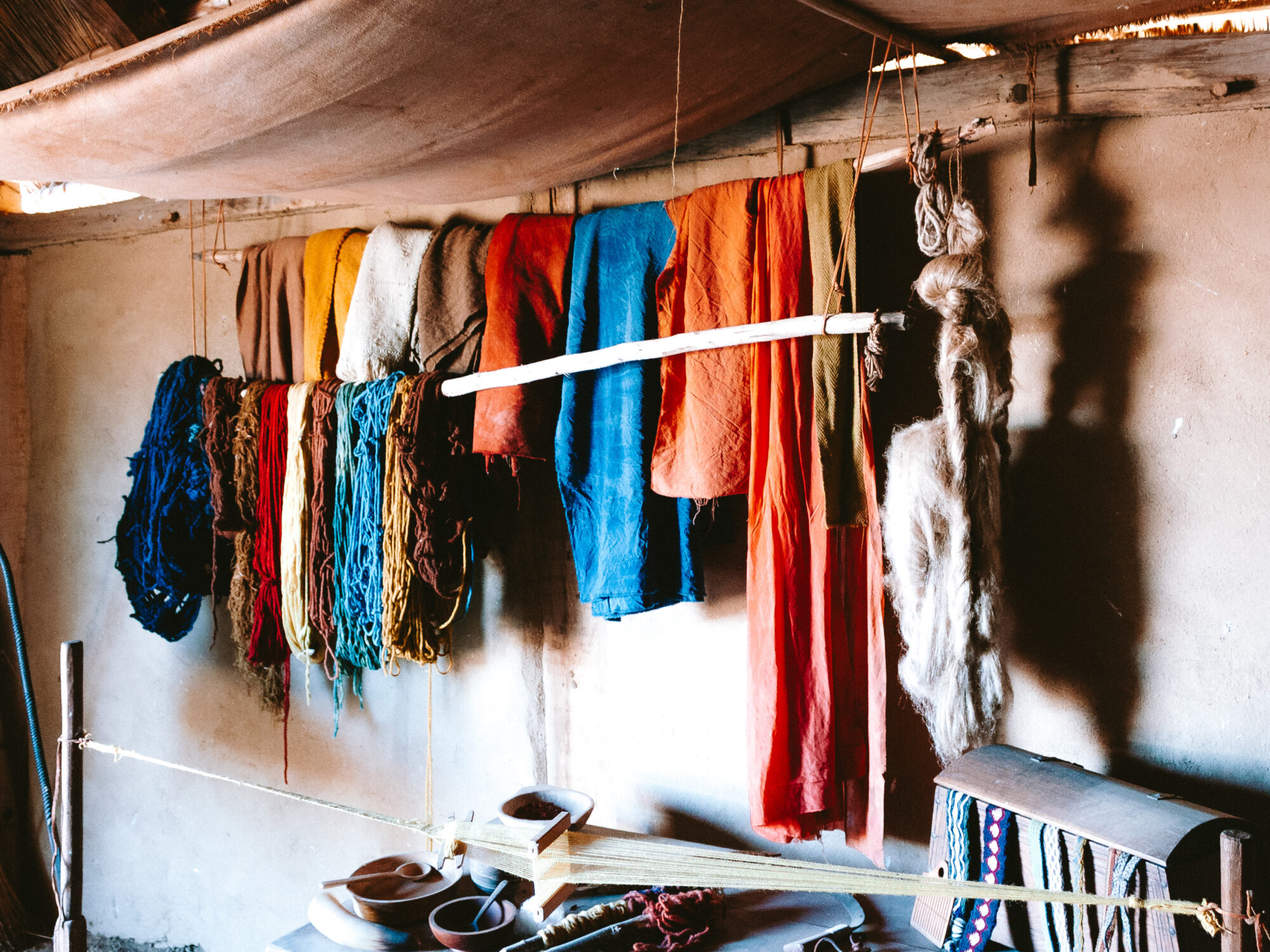
It happened to be the school holidays, and several craftsmen were on site that day, demonstrating traditional techniques much as they would have been practised in Haithabu’s own workshops. Walking between the houses, it was easy to imagine the settlement as a working village rather than a museum piece.
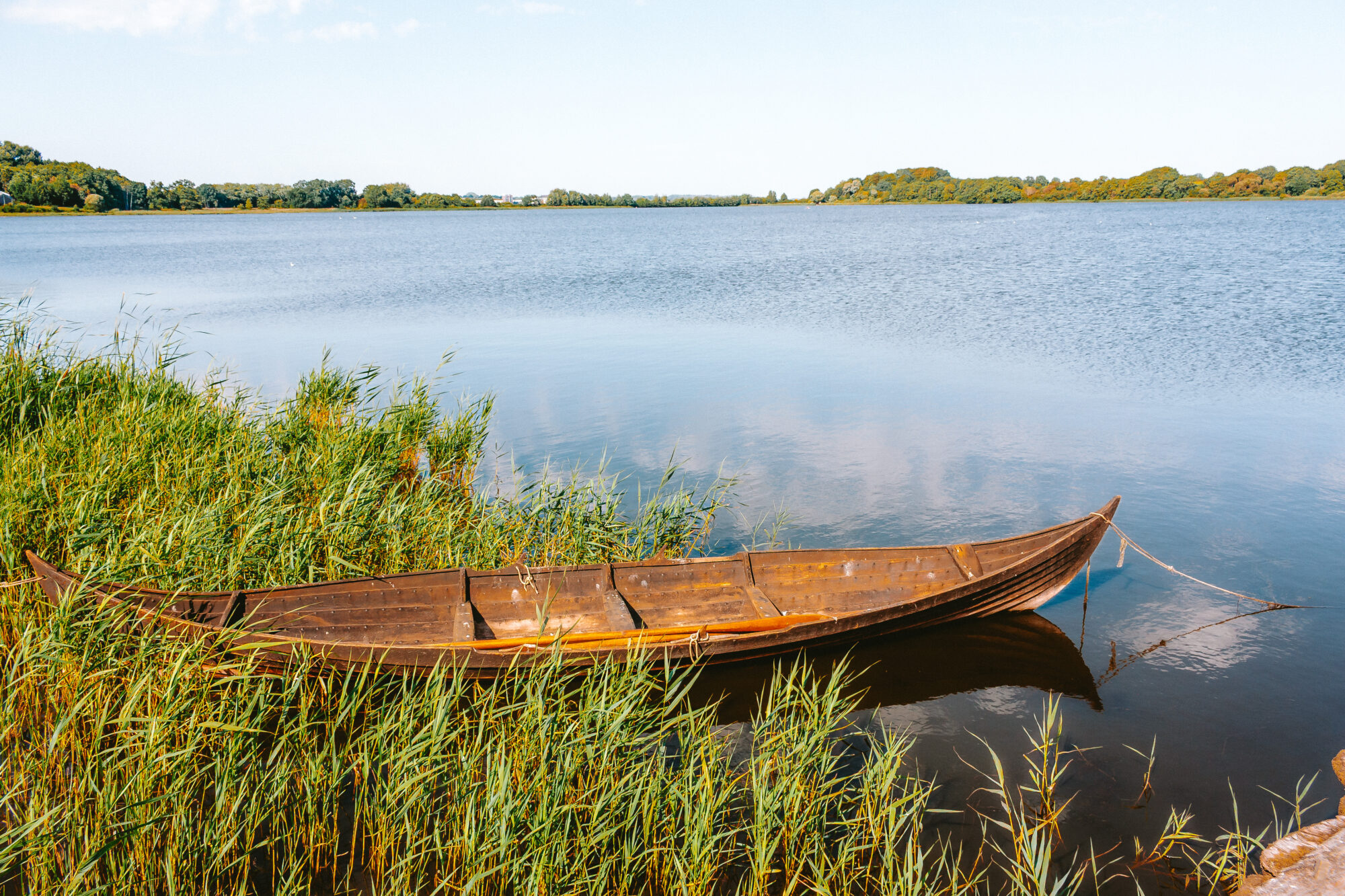
Down by the water, a reconstructed sailing boat lay moored to a small jetty on the Haddebyer Noor, the sheltered inlet of the Schlei on which Haithabu was built.
The day ended, fittingly, at Odin’s Beer Garden nearby.

— All photos from this walk are on my portfolio.





Leave a Reply